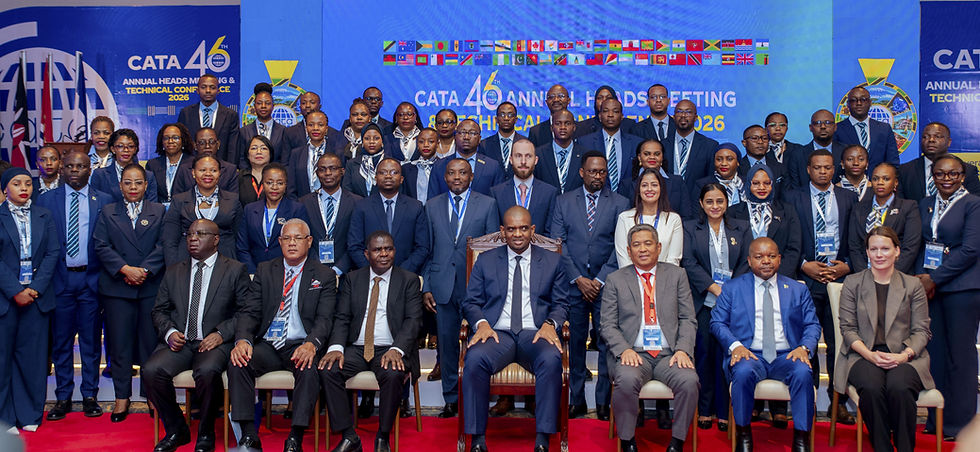
CATA 46 Day One Highlights: Digital Transformation Takes Centre Stage in Arusha
Following a successful opening ceremony, the 46th CATA Annual Heads Meeting and Technical Conference continued today in Arusha with a full day of high-level discussions on the role of technology in strengthening tax administration and domestic revenue mobilisation.

Under the theme “Leveraging Technology for Efficient Revenue Collection,” Day One brought together tax leaders and experts to share practical experiences, emerging priorities and perspectives on the future of digitalisation.
Technology as an engine for growth
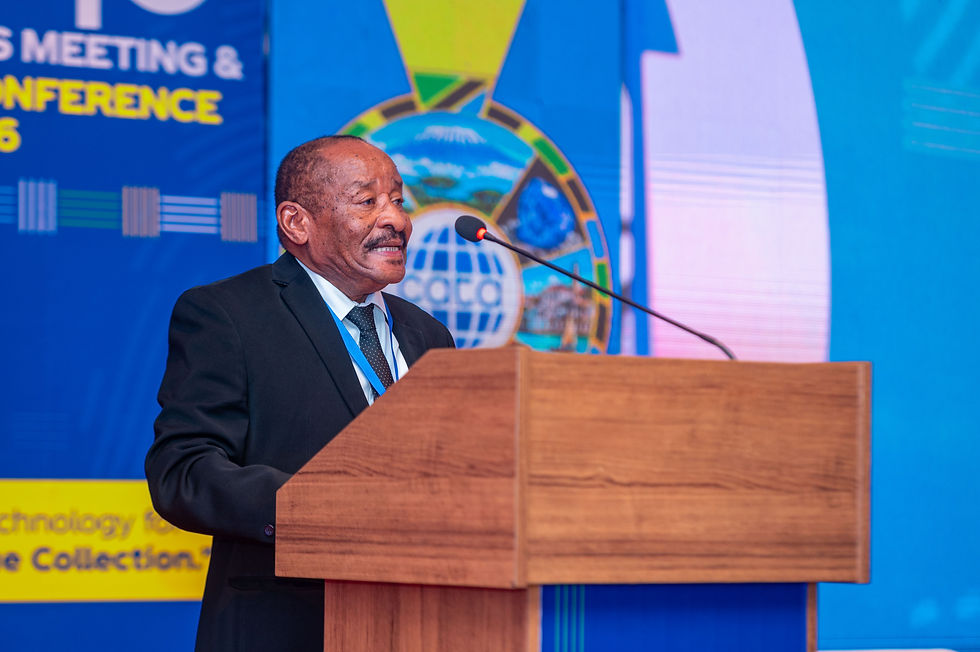
The technical programme began with a keynote address by Prof. Florens Luoga, Retired 7th Governor of the Bank of Tanzania, on “Tax technology as an engine for growth.”
Prof. Luoga stressed the absolute necessity of digitalisation for tax administrations of all sizes, emphasising that administrations have no choice but to take a broader and more strategic approach to digital transformation in the current political and economic landscape.
The keynote highlighted the potential of digital transformation to strengthen voluntary compliance, improve taxpayer services, reduce administrative inefficiencies and support more effective domestic revenue mobilisation. It also underscored the importance of leadership, institutional capacity, skills, governance and taxpayer trust in delivering successful digital reforms.
From digital ambition to practical transformation
The first plenary panel, “What digital transformation looks like in practice,” moved the conversation from strategy to implementation. Moderated by Mr Jason King, Revenue Commissioner, Barbados Revenue Authority, the panel brought together commissioners and senior digitalisation practitioners from across the Commonwealth, sharing experiences from the Maldives, Uganda, Tanzania and Cameroon.

The discussion provided valuable insights into the different paths administrations are taking as they progress through digital transformation, while also highlighting common challenges and opportunities.
Among the key themes were the importance of integrating technology with tax professional functions, strengthening organisational capability and making use of the experience of administrations that have already undertaken similar reforms.
A key message from the discussion was the value of learning from one another, recognising that “what is the future somewhere is the past elsewhere.” While digitalisation is an increasingly inevitable direction for tax administrations and many administrations face similar challenges, sharing knowledge, experience and expertise can help make the transformation process smoother and more effective.
Exploring the four pillars of digitalisation
The afternoon session, “The four pillars of digitalisation: a strategic overview,” explored how technology can support the full tax lifecycle and contribute to expanding the tax base.

The discussion examined four key areas: digital taxation, supporting SMEs through technology, transforming the informal sector, and facilitating trade for effective resource mobilisation. Speakers reflected on the opportunities, barriers and interconnections across these areas, highlighting the importance of an integrated approach to digital transformation.
Global cooperation for digital tax transformation
The day concluded with a high-level dialogue on “Global cooperation for global tax digitalisation,” moderated by Ms Deborah Lock, CATA Vice-Chair and International Relations representative of HMRC, United Kingdom.
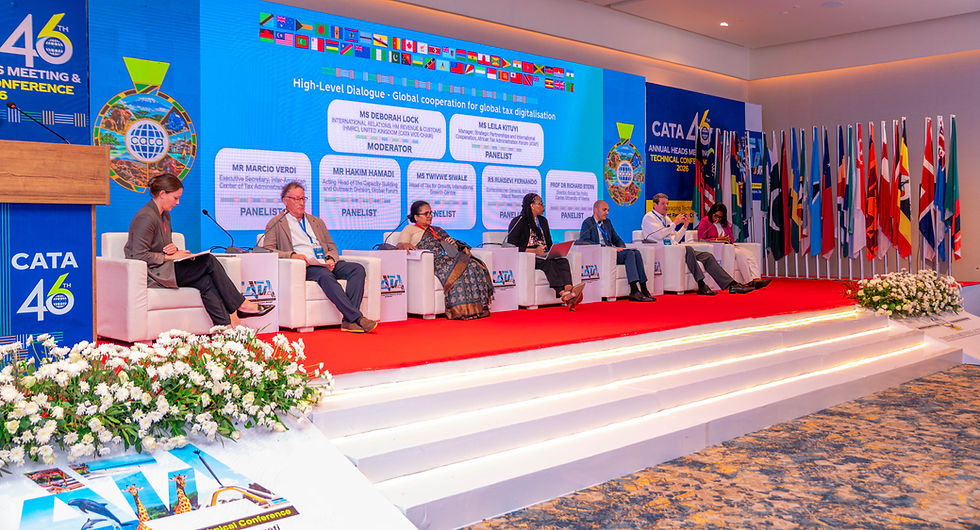
The session brought together perspectives from regional and international organisations, tax administrations and academia. Discussions focused on the importance of international and regional cooperation, shared risks, emerging standards, joint capacity-building and partnerships in supporting sustainable digital transformation in tax administration.
Looking ahead
Day One established a strong foundation for the discussions ahead, with technology, innovation, collaboration, knowledge-sharing and practical reform emerging as central themes.
The discussions demonstrated that while tax administrations may be at different stages of their digital journeys, many face similar challenges. Learning from one another, integrating technology with professional functions and taking a strategic approach to transformation will be critical to ensuring that digitalisation delivers meaningful improvements in tax administration and revenue mobilisation.
As the conference moves into its technical and Commissioners’ tracks, participants will continue exploring how tax administrations can harness digital tools, strengthen cooperation and build the capabilities needed for more efficient and sustainable revenue collection.
The momentum continues in Arusha — with more insights, exchanges and opportunities for collaboration still to come at CATA 46.